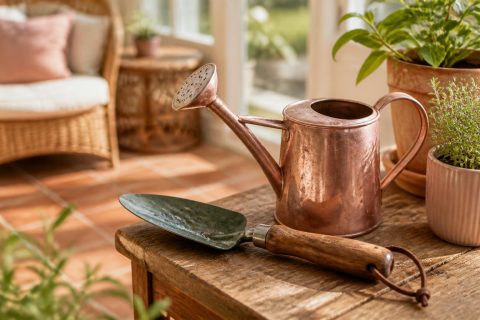
Smart, Sustainable Gardening: Practical Home Improvement for Cozy Interiors and Lush Exteriors
A practical guide to blending interior comfort with outdoor vitality through thoughtful home improvement and gardening strategies.

Thoughtful Planning for a Cohesive Home Landscape
When you approach gardening as an extension of interior design, the lines between indoor comfort and outdoor vitality blur into a cohesive whole. Start by mapping sun exposure, soil types, and existing structures to create zones that support both beauty and function. Consider how curb appeal translates to first impressions, and align plant choices with your climate, water availability, and personal routines. This approach ensures your outdoor space complements your interior decor and overall home improvement goals throughout the seasons. automatic lawn mower can be a practical anchor for maintenance, freeing time for more intentional design decisions.
Designing with purpose invites a sense of rhythm that moves from entryway to backyard retreat. Start with a color palette that echoes indoor walls and textiles, then layer plants with varying textures to create depth. Use durable, weather-resistant materials for paths and seating that mirror the quality you expect inside your home. Binding these elements together strengthens both curb appeal and everyday usability, making home improvement feel intentional rather than cosmetic.
Low-Maintenance Strategies for Busy Lifestyles
Busy households benefit from planning that prioritizes reliability and ease. Opt for hardy perennials that bloom across multiple seasons, paired with drought-tolerant grasses to reduce watering needs. Build a rain Garden to capture runoff and nurture soil health, while pruning schedules stay light and predictable. A practical approach balances visual impact with sustainability, ensuring your garden remains inviting even after hectic weeks and changing weather patterns.
Automation and smart irrigation systems can dramatically cut maintenance time without sacrificing garden health. Zone your yard by sun exposure and plant needs, then schedule efficient watering to minimize waste. Pair these systems with mulch and compost to improve soil structure, reduce weeds, and promote healthier growth. The result is a resilient landscape that looks purposeful with minimal daily intervention.
Edible Edges and Flower Borders That Endure
Edible borders blend practicality with beauty, allowing you to harvest herbs and vegetables close to living spaces while maintaining a polished aesthetic. Plant compact varieties near entryways and seating areas for easy access, then intersperse with ornamental flowers for color. Regularly rotate crops and place nitrogen-fixing legumes in the mix to keep soil fertile. A thoughtful arrangement transforms every walk to your door into a small, fragrant excursion.
Seasonal color shifts keep your garden interesting without demanding constant redesign. Choose a few reliable perennials for structure and fill gaps with annuals that thrive in your climate. Edging plants and careful spacing create tidy borders that require minimal weeding, while decorative containers add pops of color and texture that echo interior decor sensibilities.
Soil, Water, and Microclimates: The Foundation of Growth
The health of your garden starts below the surface. Test soil pH and nutrient levels, then amend with compost and organic matter to improve structure and moisture retention. Create microclimates by placing sun-loving plants in warm, reflective spots and shade-tolerant varieties in cooler nooks. This attentive soil management supports robust growth and a vibrant palette with less fertilizer input over time.
Water strategies should emphasize efficiency and resilience. Install drip irrigation with soil moisture sensors to deliver precise hydration, reducing waste and disease in overwatered zones. Mulch generously to conserve moisture and suppress weeds, and consider rain barrels to capture seasonal rainfall for use during dry spells. A well-tended base leads to healthier foliage and longer-lasting color in your landscape.
Lighting and Seating: Extending Comfort Outdoors
Outdoor lighting enhances safety and ambiance after dark, guiding guests through welcoming spaces and highlighting focal plantings. Layer lights along paths, seating areas, and architectural features with warm tones that mimic interior lamps. Dimmer controls and time-based schedules promote energy efficiency while extending usable hours for dining and conversation under the stars. Thoughtful lighting makes the outdoors feel like an extension of the interior, not an afterthought.
Seating arrangements should invite lingering conversations and flexible use. Choose weather-resistant cushions in colors that echo indoor textiles, and position furniture to take advantage of shade and prevailing breezes. Consider a small dining nook for group meals or a quiet corner for reading, with a nearby coffee station or fire pit to anchor the space. Comfort and function together create a natural transition from home to garden.
Gardening for Decor: Texture, Form, and Fragrance
Decorative planting is about rhythm and balance, not just color. Mix architectural grasses with sculptural shrubs to create vertical interest, pairing soft, fragrance-rich blooms with sharp, clean lines. Use repetition to tie areas together, such as a recurring plant height or a consistent pot style that echoes interior vignettes. Thoughtful planting plans add personality to your yard and mirror the interior’s sense of design coherence.
Incorporate fragrance with consideration for wind direction and bloom times to ensure evolving sensory experiences, from morning coffee to evening strolls. Layer scent with visual elements like textured leaves and glossy foliage to create a multi-sensory impression. By treating gardening as decor, you craft a living space that feels curated and intimate, echoing the interior’s careful polish and your home improvement aspirations.
Seasonal Maintenance Calendars and Quick Wins
Establish a simple calendar that prioritizes tasks by season, including pruning, feeding, mulching, and pest checks. Break tasks into 15-minute sessions to maintain momentum without overwhelm, especially during peak growing months. Quick wins like mulch refreshes, weed control, and edging can dramatically improve tidiness and health, reinforcing that thoughtful maintenance is a form of ongoing home improvement.
Documenting garden progress with photos and notes helps you refine future plant choices and layouts. Track which areas perform best, which species underperform, and how microclimates shift with seasonal changes. A practical log guides purchases, reduces waste, and supports a consistent, lasting design ethos that harmonizes with interior decor and daily life.