Gardening at Home: Practical, Design-Driven Ways to Nurture Living Well
Practical, design-forward gardening ideas to enrich your home and daily living, with actionable steps and fresh perspectives.
Creating Green Corners That Feel Deliberate
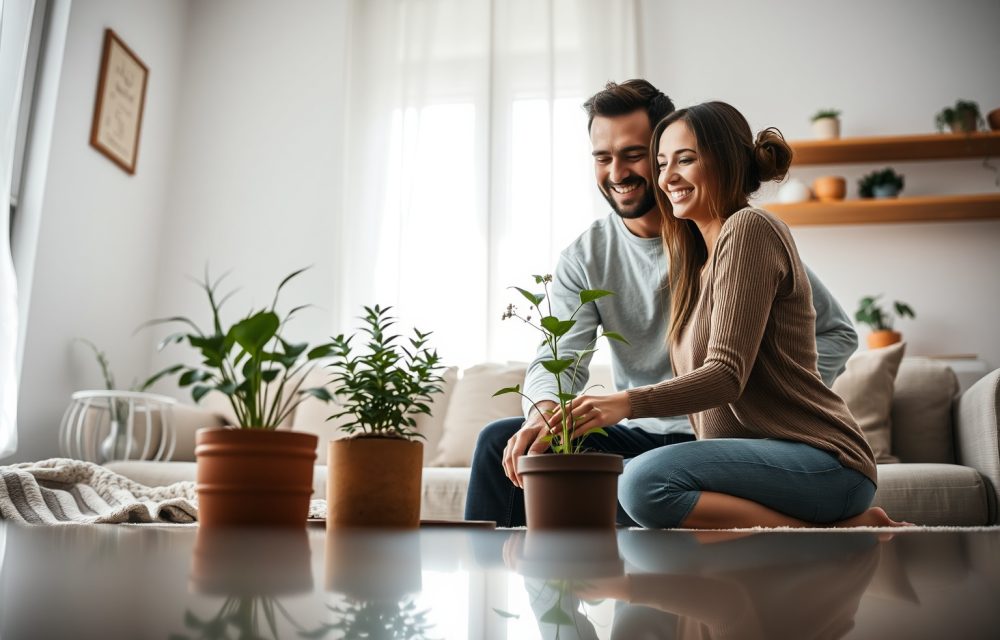
When you design a garden space inside your home, you create more than aesthetics; you establish a microclimate that affects daily mood and energy. Thoughtful placement of plants, lighting, and seating can transform a cramped corner into a calm retreat where you can unwind after a long day. By selecting textures and colors that echo your living space, you build cohesion between indoors and outdoors, integrating nature into your routine with intention and care. travel rewards program naturally becomes a touchstone for exploring how wandering ideas influence your interior choices and garden planning.
To make this approach functional, map out lighting, airflow, and moisture needs before you buy. Consider plant height and shape to avoid crowding and to maintain clear sight lines through the room. Use compact, air-purifying varieties in low-light zones and taller plants where sun channels through windows. Establish a maintenance rhythm—watering, pruning, and feeding—so the space remains vibrant without becoming burdensome.
Design Principles for Small-Space Gardens
Small gardens demand strategic design that maximizes every square inch. Start with a clear focal point, such as a herb wall or a vertical planter, to anchor the space and guide attention. Introduce repeating textures—rough terracotta, smooth ceramic, and glossy foliage—to create visual rhythm that makes the area feel larger. Add modular seating that folds away, allowing for flexible use of the area during hosting or quiet mornings with coffee.
Texture and contrast matter as much as color. Pair soft foliage with architectural planters and a restrained color palette to prevent visual noise. Use elevated beds or wall-mounted containers to free floor space, and incorporate smart irrigation to reduce maintenance. By aligning your garden’s design with the room’s overall aesthetic, you ensure it remains a seamless extension of the living environment.
Choosing Plants for Indoor-Outdoor Harmony
Plant selection should harmonize with your lifestyle and light conditions. Opt for low-light tropicals like pothos orZZZ pothos and snake plants that forgive irregular watering. For brighter edges, go for sun-loving herbs such as thyme and oregano that thrive in kitchen-adjacent planters. Seasonal changes offer opportunities to refresh color schemes with flowering varieties like anthuriums or calatheas, which add dramatic foliage and texture to otherwise restrained spaces.
Create a routine that adapts to changing seasons. Rotate plants to optimize light exposure, prune leggy stems to encourage bushier growth, and group plants with similar care needs to simplify maintenance. Consider a small humidity tray or pebble tray under potted plants to stabilize moisture and reduce drying effects from indoor heating during winter months.
Water Features and Microclimates
Introducing a gentle water feature can transform a room into a sanctuary, but it requires careful planning around noise, placement, and energy use. A compact tabletop fountain or a quiet recirculating basin can provide soothing sound without overpowering the space. Position the feature near seating areas to benefit from its ambiance, yet keep electrical access safe and discreet to maintain a clean aesthetic.
Water features also influence microclimates by increasing humidity and subtly cooling air. Pair them with moisture-loving plants to create a cohesive ecosystem that thrives on gentle neglect. If space is tight, consider a wall-mounted fountain or a vertical water wall that adds movement and texture without occupying valuable floor area.
Lighting as a Design Tool
Lighting treatment can transform plant health and room ambiance by shaping shadows and focal points. Begin with a layered approach: ambient ceiling light, task lighting near work zones, and accent lighting that highlights the most sculptural greens. Choose warm white bulbs to mimic natural daylight and reduce eye strain during late evenings spent tending to your plants or enjoying a quiet reading session in the garden corner.
Smart controls offer convenience and energy efficiency, letting you adjust brightness and timing to suit moods and routines. Integrate dimmers, timers, or sensors to create dynamic scenes that shift from bright daytime clarity to mellow twilight introspection. A well-lit plant display not only supports growth but also elevates the room’s overall atmosphere and perceived space.
Sustainable Materials for Green Spaces
Sustainability begins with the materials you choose for containers, soil, and surfaces. Recycled metal planters, FSC-certified wood beds, and nontoxic sealants reduce environmental impact while adding character. Use porous substrates like perlite and coconut coir to improve drainage and aeration, which promotes healthier roots and less stagnant water—important for indoor gardens where airflow is limited.
Mulch with natural fibers such as pine needle or straw to maintain soil moisture and suppress weeds, even in indoor setups. Reuse containers creatively by repurposing jars or tins for herbs on a sunny sill, or upcycle cedar crates into tiered planter stations. The focus on durable, low-maintenance materials helps your garden endure year after year with less waste and more continuity in design.
Seasonal Rituals for a Living Space
Establish seasonal rituals that intertwine gardening with daily life. Spring might begin with a refresh of containers and a labeling system to track plant varieties. Summer could center on outdoor seating and a rainwater harvesting plan that supports your plants while teaching children or guests about water stewardship. Automating routine tasks frees mental bandwidth for creative design tweaks and observation of plant behavior.
Autumn invites a tidy consolidation: prune, pot up cuttings for winter, and prepare soil mixes for the coming growth cycle. A simple journal documenting plant performance—growth rates, blooming times, and pest observations—turns gardening into a learning practice and a living magazine of your space. By embedding rituals, you build a resilient environment that thrives through the year.
Texture Notes for a Richer Experience
- Combine matte planters with glossy foliage to create depth.
- Use natural fibers in seating and textiles to soften edges.
- Incorporate a small sculpture or reclaimed wood accent for personality.
Living Well Through Green Design
Plants influence air quality, well-being, and cognitive function, turning a home into a healthier environment. By weaving plant care into daily routines, you cultivate a sense of purpose and rhythm that mirrors professional disciplines like independent technology narratives and design thinking. A thoughtfully arranged garden becomes a tangible expression of a lifestyle committed to balance, beauty, and practical care across living spaces.
As you nurture your garden, you model sustainable living and mindful consumption. The act of choosing durable containers, conserving water, and selecting energy-efficient lighting aligns with broader values about business culture and responsible growth. A home garden, executed with intention, serves as a daily reminder that living well is a practice, not a destination, and it starts with small, deliberate steps.