
Car Tailgate Tent: Choosing the Right Vehicle Setup for Family Camping
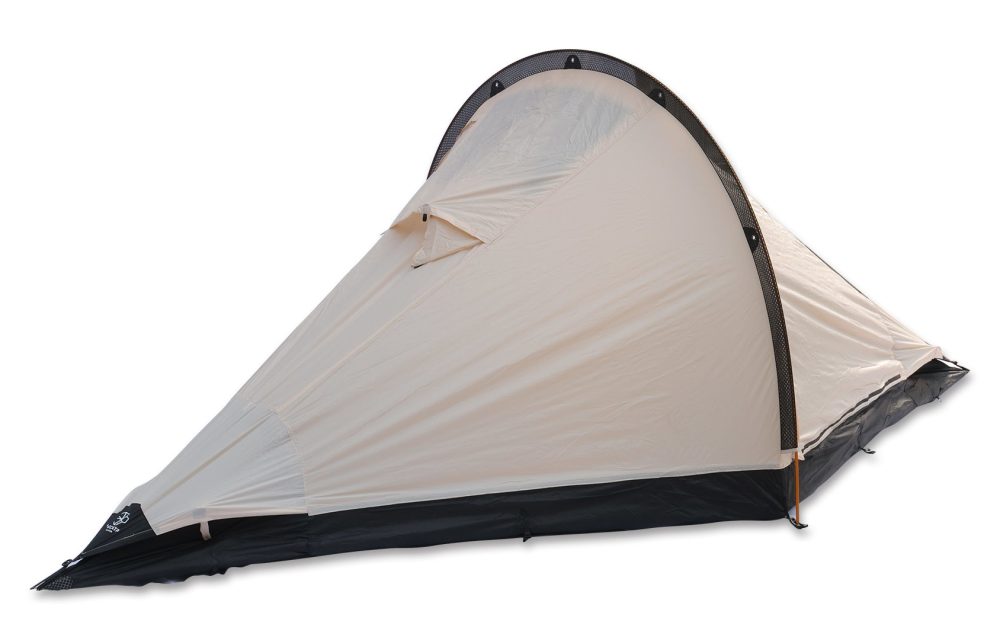
Start with what you need
You want a tailgate tent that works with your vehicle and keeps everyone comfortable without fuss. Begin by listing who will use it, how many sleeping spaces you need, and whether you prefer quick setups or a more permanent, roomy layout — some people even combine a tailgate tent with a glam camping tent for a family-friendly hub. Keep those priorities visible while you check vehicle fit, sleeping arrangement, and pack volume.
Match the tent to your vehicle
Measure the tailgate opening width and tailgate height from the ground to the closed hatch. SUVs, crossovers and station wagons usually suit compact tailgate tents; pick-ups need models that attach to the bed or tailgate flange. Check roof-bars, spare wheel placement and bumper height — these affect anchoring and the angle of the connection. If your vehicle has a rear-mounted spare wheel or ladder, confirm the tent offers compatible attachment points. Fit matters more than brand names: a tent that seals correctly prevents drafts and keeps insects out.
Prioritise features that matter to families
Choose durable fabric with a minimum PU waterproof rating and taped seams. Look for a sewn-in or removable floor for easy cleaning, internal pockets for small items, and multiple doors for safer child management. Ventilation is essential: mesh panels reduce condensation while keeping mosquitoes away. Consider an extended awning for cooking and mud protection. For multi-room needs, pick modular designs or compatible annexes rather than relying on one cramped space.
Practical setup habits and mistakes to avoid
Secure anchoring beats speed. Use guy lines and ground pegs rated for soft or rocky soil, and tension the flysheet evenly to avoid sagging. Don’t assume flat ground; pack a small level or chocks to stabilise the tailgate and keep the tent square. Common errors: forgetting to check tailgate clearance, forcing a model onto an incompatible hatch, and under-ventilating which leads to damp sleeping bags. When children are present, place the sleeping area nearest the vehicle for quick access to supplies and a safer route to the loo at night.
Quick comparison: tailgate tents versus other vehicle options
Rooftop tents raise you off the ground, giving faster setups but costing roof load capacity and often more in price. Drive-away awnings provide large covered areas but need more space and extra poles. A tailgate tent is compact, suited for shorter stops and direct access to the vehicle, and often easier for families who need a sheltered cooking area next to their kit. Choose based on how long you’ll stay, where you’ll camp, and whether vehicle access during the night is important.
Real-world testing and what it taught me
Over five seasons of field testing at family camps around the Maasai Mara, I learned that modular space beats single-room compromises when family sizes vary. On those trips, families appreciated the privacy and organisation offered by large family tents with rooms, while tailgate tents served as quick-change living areas and gear stores. That combination — a roomy family tent as the sleeping hub and a well-fitted tailgate tent for daily use — is a simple, proven formula for comfort and control on family outings.
 Final guidance
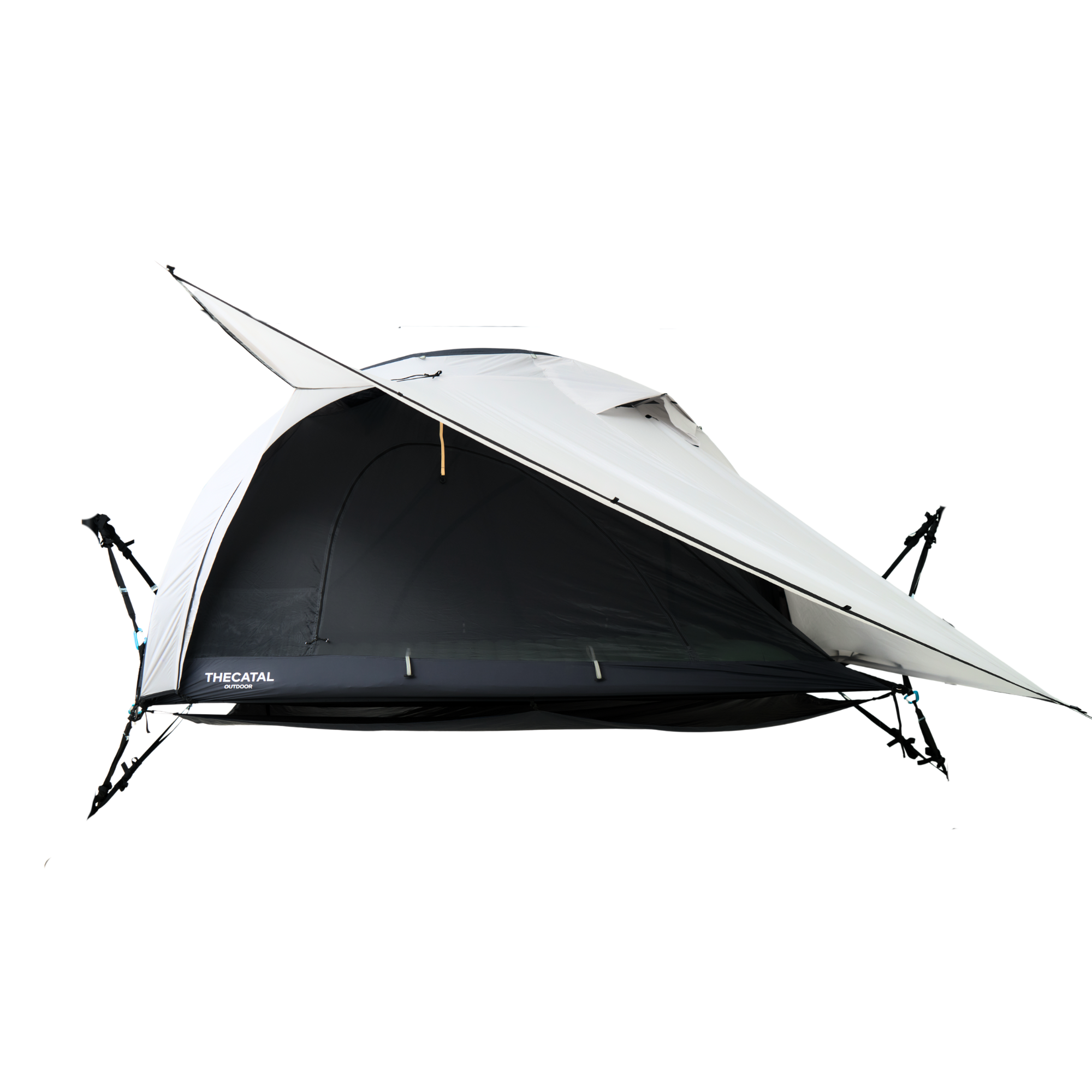
Measure precisely, prioritise ventilation and anchoring, and choose modularity if your family’s needs change. For many families, the best result is a compact tailgate tent that fits the vehicle exactly and a separate sleeping layout that gives everyone personal space; for that blended approach I’ve found reliable options from established kit-makers and retailers, and practical setups that suit Kenyan parks and roadside stops are easy to assemble when you match dimensions and features carefully. For those wanting options that combine sensible fitting with roomed sleeping solutions, THECATAL presents layouts that make practical sense without overcomplication.