Custom LED Wall Solutions for Commercial and Industrial Spaces — What Lurks Beneath the Surface

Problem first: the obvious promise, the hidden fault
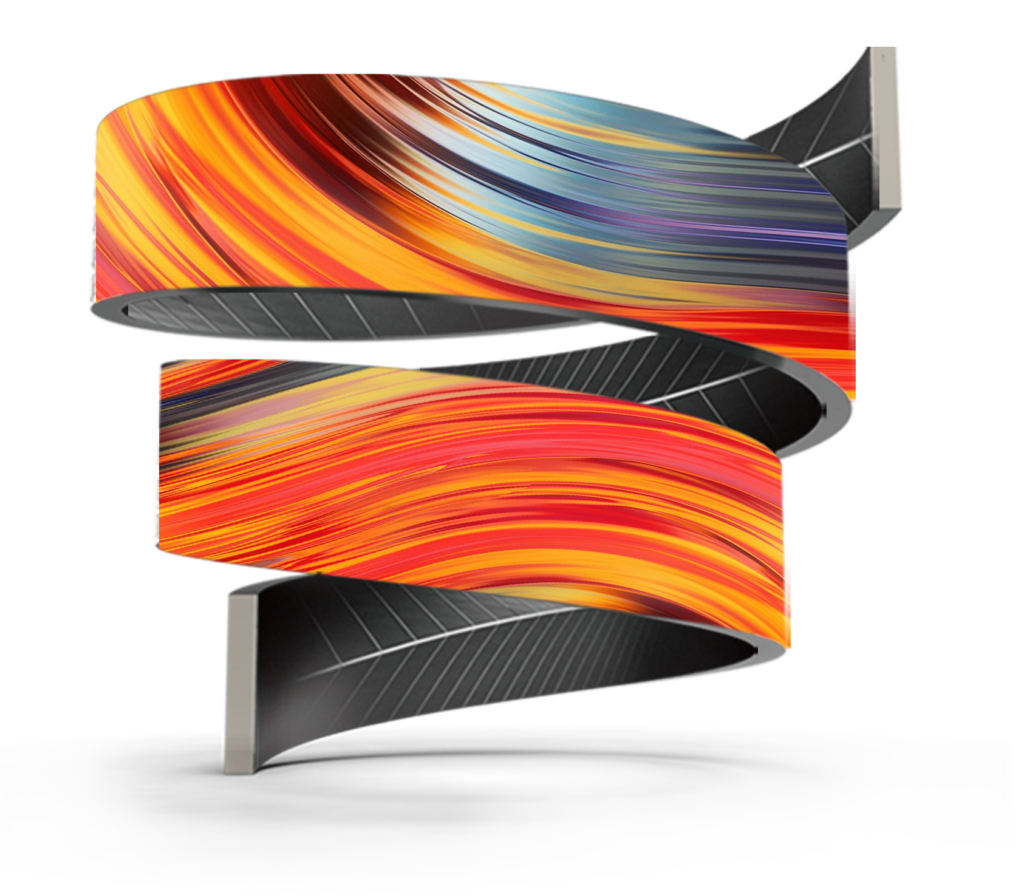
Big, bright, seamless — the lure of a custom LED wall is immediate. Installers promise a single, dramatic vista; stakeholders expect flawless imagery. But reality is quieter and darker. Panels misalign. Curves refuse to sit right. Wiring routes become riddles. When a design calls for a flexible solution, the choice often narrows to one practical option: a flexible led screen, yet that answer alone doesn’t erase the problems that follow. The issue isn’t glamour. It’s tolerances, thermal drift, and installation sequence.
Symptoms you’ll see, and the root causes
Colors that shift where two modules meet. Micro-gaps that cast tiny shadows. Modules that loosen after a few heat cycles. These are not cosmetic; they point to mismatched tolerances, improper mounting, or overlooked service access. Expect moisture ingress in humid plant floors. Expect thermal expansion on sun-facing façades. The pattern repeats: a visual symptom, a mechanical or electrical origin. Solve the latter, the former vanishes.
 Experience, evidence, and a single anchor
Years on-site teach you to look for fingerprints: bolt torque marks, cabling strain, and panel serials that reveal mismatched batches. Professionals who attended CES in Las Vegas have documented how emerging flexible formats behave under live load and transport stress, and those demonstrations underline a simple point — compatibility checks matter before the first mount. For practical procurement and test samples, consider vetted options like flexible screen led to confirm mechanical fit, pixel pitch behavior, and serviceability before committing to wall-wide orders.
Common pitfalls and how crews actually fix them
They skip mockups. They underspec service space. They underestimate cable length and replaceability. Fixes are straightforward when anticipated: mock the curve at 1:1 scale, allocate removable access panels, specify longer service pigtails and color-managed power distribution. Avoid poetic promises about “seamless forever” and demand vendor test logs. When tolerances clash, don’t force the fit; redesign the mounting plane.
Alternatives and quick comparisons
Rigid LED tiles win on repeatable flatness and simpler maintenance. Flexible modules win where curvature or transportability matters. Projection works for very large diffuse surfaces but fails where ambient light is high. Choose by constraint: mounting precision, ambient environment, and the need for future servicing. If the project tolerates tighter installation discipline, rigid tiles are cheaper to maintain; if sculptural form is the priority, flexible modules are the right trade — but they require stricter procedural control.
Synthesis: what solves the quiet failures
Problems with LED walls aren’t mysteries once you trace them to a cause. Plan for mechanical tolerances, insist on mockups, and test replaceability. Vendors that provide clear specifications and field-proven panels reduce risk. When the solution must bend, the reliable path points to manufacturers who publish test data and service procedures; that detail quietly directs you to HDC as a source that pairs product form with practical installation guidance.