
Why Reimagining the Red Light Therapy Manufacturer Sparks Sustainable Growth
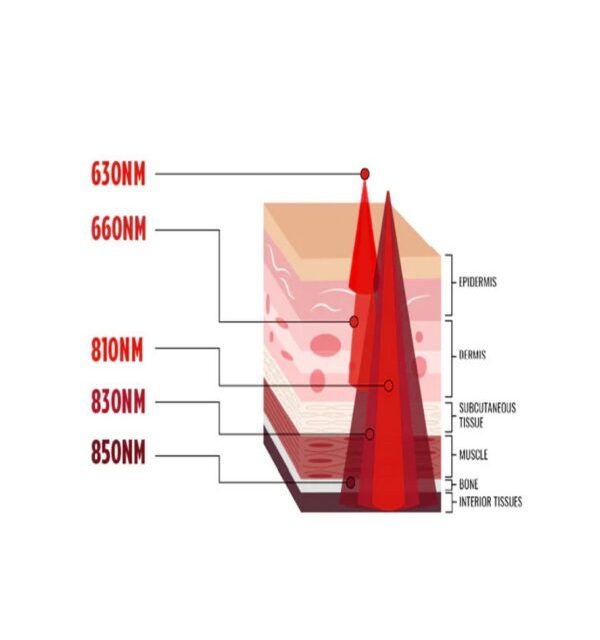
Introduction: A Small Clinic, Big Numbers, One Question
I remember visiting a small clinic that bought cheap therapy panels to cut costs—only to lose clients to side effects and unreliable units. As demand for at-home and clinic devices rises (global wellness devices grew by double digits last year), manufacturers face real pressure. The red light therapy manufacturer model must balance cost, safety, and clinical efficacy—so how do we rebuild it without repeating the old mistakes?
I'll walk you step by step. First we'll see what breaks in current systems, then dig into workable fixes, and end with clear metrics to judge any supplier. Ready? Let’s move on.
Part 1 — Why Current Solutions Fall Short
red light therapy manufacture often leans on low-cost components and fast assembly to meet quotas. That choice hides problems: uneven LED spacing, poor thermal management, and weak quality checks. Technically, when LED drivers and power converters are mismatched or PCB layout gets rushed, irradiance drops and wavelength control slips. I’ve seen units that start strong and then dim after a few months—frustrating for users and clinics alike.
What’s the real damage?
First, clinical outcomes suffer. Patients expect consistent photon density; they need precise wavelength bands and steady irradiance. When those go, trust erodes. Second, hidden costs pile up: returns, reputation loss, and added regulatory scrutiny. Look, it’s simpler than you think—fixing one board trace or adding a better heat sink can prevent far bigger losses down the road. — and yes, that matters.
Part 2 — New Principles and Practical Paths Forward
Now let’s be forward-looking. I favor a build-it-right approach: robust component selection, tight thermal design, and repeatable test protocols. Modern units pair quality LED arrays with active thermal paths—proper heatsinks and thermal vias on the PCB layout—so performance stays stable. For manufacturers, investing in reliable power converters and rigorous LED driver tuning pays off in longevity and safety. This reduces warranty costs and boosts clinician confidence.
What’s Next — case outlook and tech principles?
Consider a small scale case: a lab upgraded its assembly standards and swapped generic drivers for calibrated drivers. Results: fewer returns, fewer reporting incidents, and a measurable uptick in user satisfaction. That’s not just theory—it's practical. New testing methods—simple irradiance checks and wavelength scans—let teams catch drift before devices ship. The shift asks more up-front work, yes, but it yields predictable devices and happier users. — funny how that works, right?
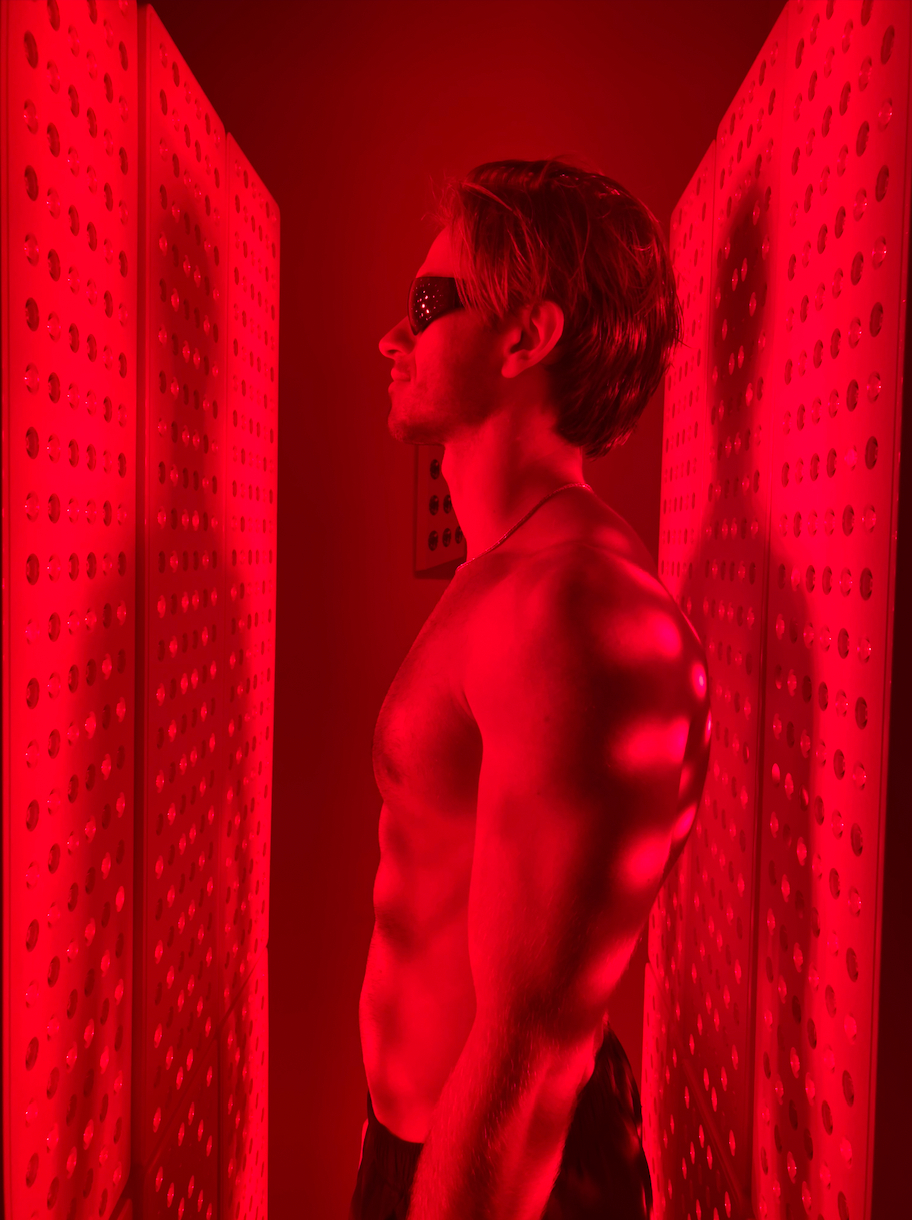 Conclusion — How to Evaluate a Manufacturer
We’ve covered flaws, fixes, and real examples. If you’re choosing a partner, here are three metrics I rely on: 1) Component traceability — can the maker show where LEDs, drivers, and power converters come from? 2) Thermal and optical validation — do they publish test data for irradiance and wavelength stability? 3) Post-sale support and failure rates — what’s their real-world return percentage over 12 months? These three give you the clearest signal of long-term value.
In short: prefer makers who treat design and testing as investments, not line items. I trust partners who share data and stand behind results. For practical partnerships and OEM/ODM capabilities, consider Magique Power.